
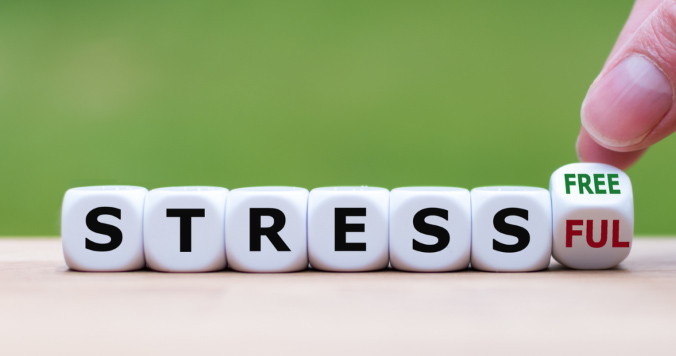
April is National Stress Awareness Month which offers a simple but important invitation:
Pause.
Notice.
And, gently support your body through what it’s carrying because stress doesn’t just
live in your thoughts, it lives in your body.
The National Institutes of Health (NIH) defines “stress” as “the body’s physical, mental, or emotional reaction to pressure, demands, or disruptions” which triggers a response causing physical reactions. “In a nation grappling with polarization and uncertainty, the emotional undercurrents of daily life are becoming harder to ignore… societal division is a significant stressor for many US adults, suggesting loneliness and emotional disconnection have become a defining feature of life in America.” (American Psychological Association website). If you’ve been feeling tense, overwhelmed, tired, or on edge, your body may be trying to tell you something. Dis-comfort or dis-ease is your body’s cry for change. Are you listening?
What Stress Feels Like in the Body
Stress is a full-body experience. It can show up as:
- Tight shoulders or jaw
- Shallow breathing
- Fatigue or restlessness
- Headaches
- Stomach discomfort
- Difficulty sleeping
- Feeling “wired”
- Feeling easily overwhelmed
- Trouble focusing
These aren’t random symptoms — they’re signs your nervous system is activated and
trying to protect you from a perceived threat to your personal safety.
Why Somatic (Body-Based) Support Matters
When stress levels rise, the thinking part of the brain often becomes less accessible. That’s why trying to just “calm down” or “think positively” doesn’t always work. Somatic tools help regulate the nervous system by sending signals of safety back into the body. They’re simple, accessible, and incredibly effective — especially when practiced consistently.
6 Gentle Somatic Practices to Support Stress Relief
No need to do all of these, just start with the one that feels the most manageable to
you and take it from there.
- Lengthen your exhale: try breathing in for 4 seconds and out for 6-8 seconds.
Then, as you feel your body relax, breathe in for 6 seconds and out for 8-10
seconds. Longer exhales signal to your nervous system that it is safe to relax. - Ground through your senses: pause and notice 5 things you can see, 4 things you
can feel, 3 things you can hear. This brings your awareness out of your thoughts
and back into the present moment. - Gentle movement: try a short walk, stretching, or even shaking out your hands to
help release built-up tension. Your body often needs movement to complete the
stress cycle. - Hand on your heart (or body): Place a hand on your chest, stomach, or anywhere
that feels centering. This simple gesture can create a sense of safety and
connection within yourself. - Orienting: look around your environment slowly and intentionally. Let your eyes
land on neutral or pleasant objects. This helps signal that you are not in immediate
danger. - Micro-pauses: take 30-60 seconds between tasks to pause, breathe, and reset.
Small breaks prevent stress from accumulating throughout the day.
You Don’t Have to Eliminate Stress to Feel Better
Stress is a natural part of life and a great cue for us to listen to our bodies and adjust accordingly. The goal isn’t to remove it completely, it’s to support your system in moving through it. Even small consistent moments of regulation can reduce overwhelm, improve focus, support emotional balance, and help you feel more like yourself again.
When Stress Feels Like Too Much
If stress feels constant, overwhelming, or begins to affect your sleep, mood, or relationships, it’s ok to seek support. Therapy can help you understand your stress patterns, learn personalized regulation tools, process underlying pressures or fears, and build resilience in a sustainable way. You don’t have to carry it all on your own.
You don’t need to fix everything today. You don’t need to force calm. Sometimes, the
most supportive thing you can do is simply:
Pause.
Take a breath.
And, meet your body with a little more care.