
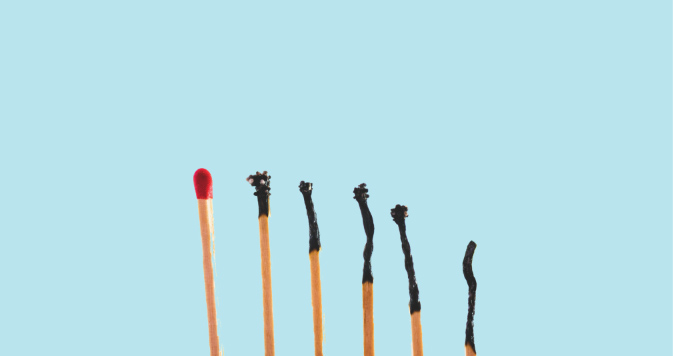
If you’ve been feeling exhausted, unmotivated, or like you’re constantly running on empty, you are not alone.
Burnout is something many people experience and one of the most searched mental health topics. While it is often talked about as “just feeling tired”, burnout is much deeper than that — it’s not simply about needing more sleep. It’s about needing a different way of supporting yourself — especially as life starts speeding up again in the spring.
What Burnout Really Looks Like
Burnout can show up as:
- Ongoing fatigue (even after rest)
- Lack of motivation or interest
- Feeling emotionally numb or detached
- Irritability or overwhelm
- Difficulty concentrating
- A sense of dread around daily responsibilities
You might still be getting things done, but it feels heavier, harder, and less sustainable.
Why “Pushing Through” Doesn’t Work
When burnout shows up, the instinct is often to try harder, be more disciplined, get more organized, and/or push through the exhaustion, but burnout is NOT a motivation problem. It’s a nervous system and energy problem. “Pushing through” often leads to even more depletion which can carry even bigger consequences.
The Difference Between Rest and Restoration
Rest is important, but burnout recovery often requires more than just stopping. Rest is: taking a break, sleeping, pausing activity. Restoration is: replenishing emotional energy, supporting your nervous system, engaging in activities that feel nourishing not depleting, reconnecting with yourself. BOTH matter, but restoration is what helps rebuild capacity which is your ability to handle what life is throwing at you.
How to Begin Rebuilding Your Capacity/Energy
- Reduce, don’t add: instead of adding new routines, look at what can be simplified
or removed from what you’re already doing daily. - Pace yourself: break tasks into smaller steps and allow more time than you think
you’ll need. - Work WITH your energy, not AGAINST it: notice when you have more or less
energy throughout the day and plan accordingly. - Prioritize what actually matters: not everything needs equal or immediate
attention — choose what is essential. - Reintroduce enjoyment slowly: burnout often disconnects you from joy. Start
with small, low-pressure activities. - Normalize slower progress: healing and rebuilding take time. Slower doesn’t
mean failing.
Burnout Is Not a Personal Failure
Burnout often develops when we’ve been overextending, carrying too much responsibility, ignoring our own needs, and living in prolonged stress. It’s not a sign that you aren’t capable. It’s a sign that something needs care and adjustment.
When Support Can Help
If burnout feels persistent or hard to shift, therapy can offer a space to process what led to burnout, tools to regulate and rebuild energy, support in setting boundaries, and/or a path to sustainable balance. You deserve to feel steady, not constantly depleted.
You don’t rebuild energy by forcing yourself forward, you rebuild it baby creating conditions where energy can return (and grow). That starts with meeting yourself where you are, NOT where you think you SHOULD be.