
Why Taking Care of Your Mind Matters
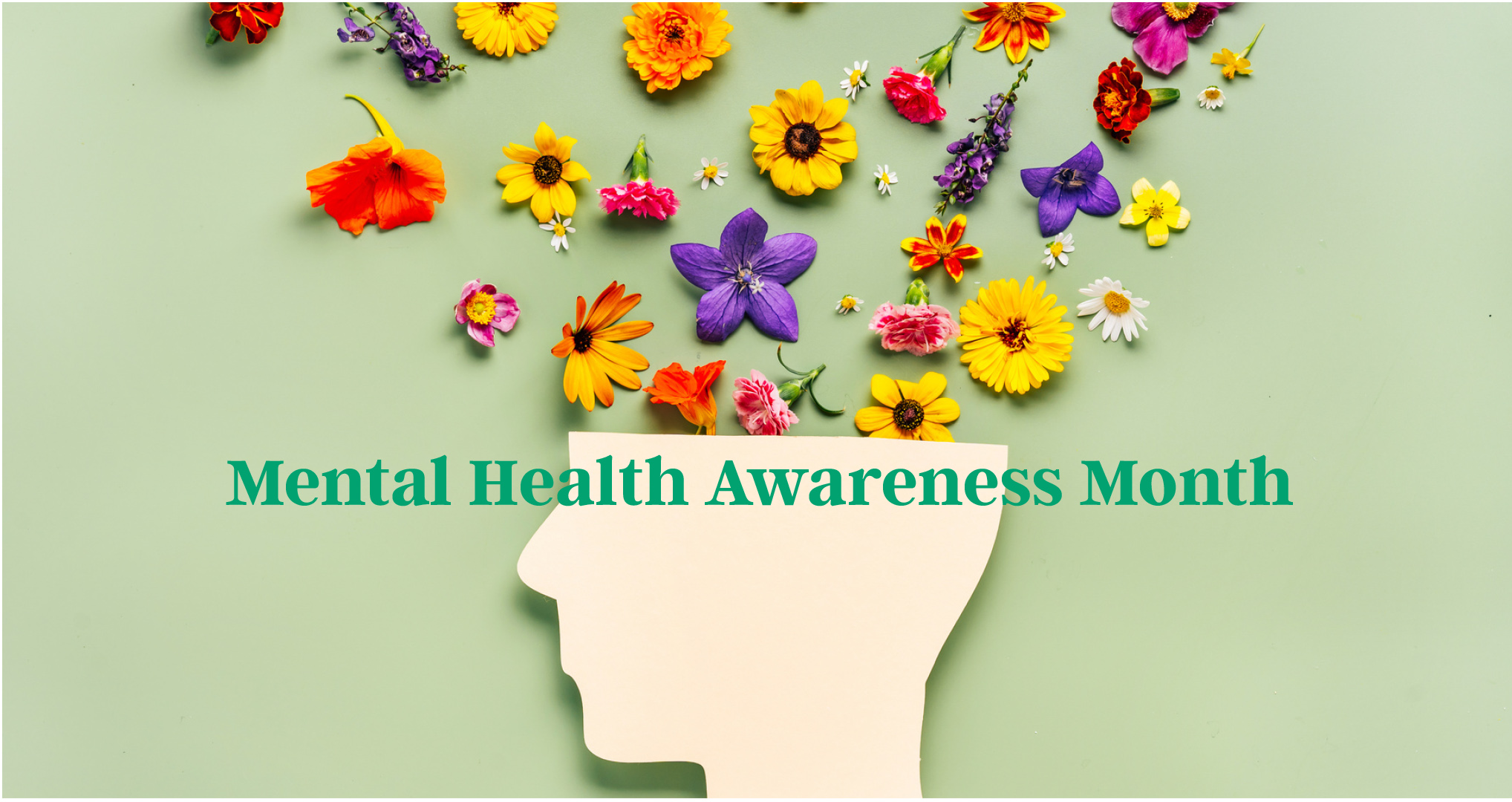
May is Mental Health Awareness Month, but mental health isn’t something we should consider once per year. It’s something we live with every day. It shapes how we think, feel, connect with others, handle stress, and show up in our lives. And, just like our physical health, it deserves regular care, attention, and support.
Mental health isn’t just about whether or not you have a diagnosis. It’s about your overall emotional, physiological, and social wellbeing. You can be:
- Functioning and still struggling
- Successful and still overwhelmed
- “Doing fine” on the outside, but feeling “off” on the inside
Mental health exists on a spectrum and, it’s okay if you’re not at your best all of the time. Denying yourself the ability to access and process the full range of emotions we as humans are gifted is what keeps us feeling out of balance.
Even though conversations around mental health have grown, many people still minimize their own struggles, feel like they should “handle it themselves”, wait until things feel overwhelming to seek help, and compare their pain to others’ so as to dismiss it. Awareness helps to shift this narrative. It reminds us that YOUR experiences matter, support is valid at any stage, and you don’t have to wait until things get worse.
Sometimes it’s obvious. Sometimes it’s subtle, but here are some signs you might notice when your mental health is in need of attention:
- Feeling more irritable or emotionally sensitive
- Changes in sleep or appetite
- Low energy or motivation
- Difficulty focusing
- Feeling disconnected or overwhelmed
- Increased anxiety or worry
- Losing interest in things you used to enjoy
Mental health care doesn’t have to be complicated. Here are some simple ways to support your mental health:
- Check in with yourself regularly — pause and ask: How am I really doing?
- Prioritize rest and recovery — you don’t have to EARN rest, it is essential
- Limit mental overload — set and enforce personal boundaries with news, social media, and responsibilities/obligations
- Support your body — movement, sunlight, and nutrition all impact mental wellbeing
- Stay connected — even small amounts of personal connection can make a difference
- Ask for support when needed — you don’t have to wait until you’re overwhelmed to
reach out.
When Support Can Help
As you move through May, consider the following: what would it look like to treat your mental health with the same care and attention you give to everything else in your life?
If you’ve been feeling overwhelmed, stuck, or simply not like yourself, our practice is here to support you. Mental health care is not just about getting through difficult moments, it’s about creating a life that feels more steady, connected, and aligned.